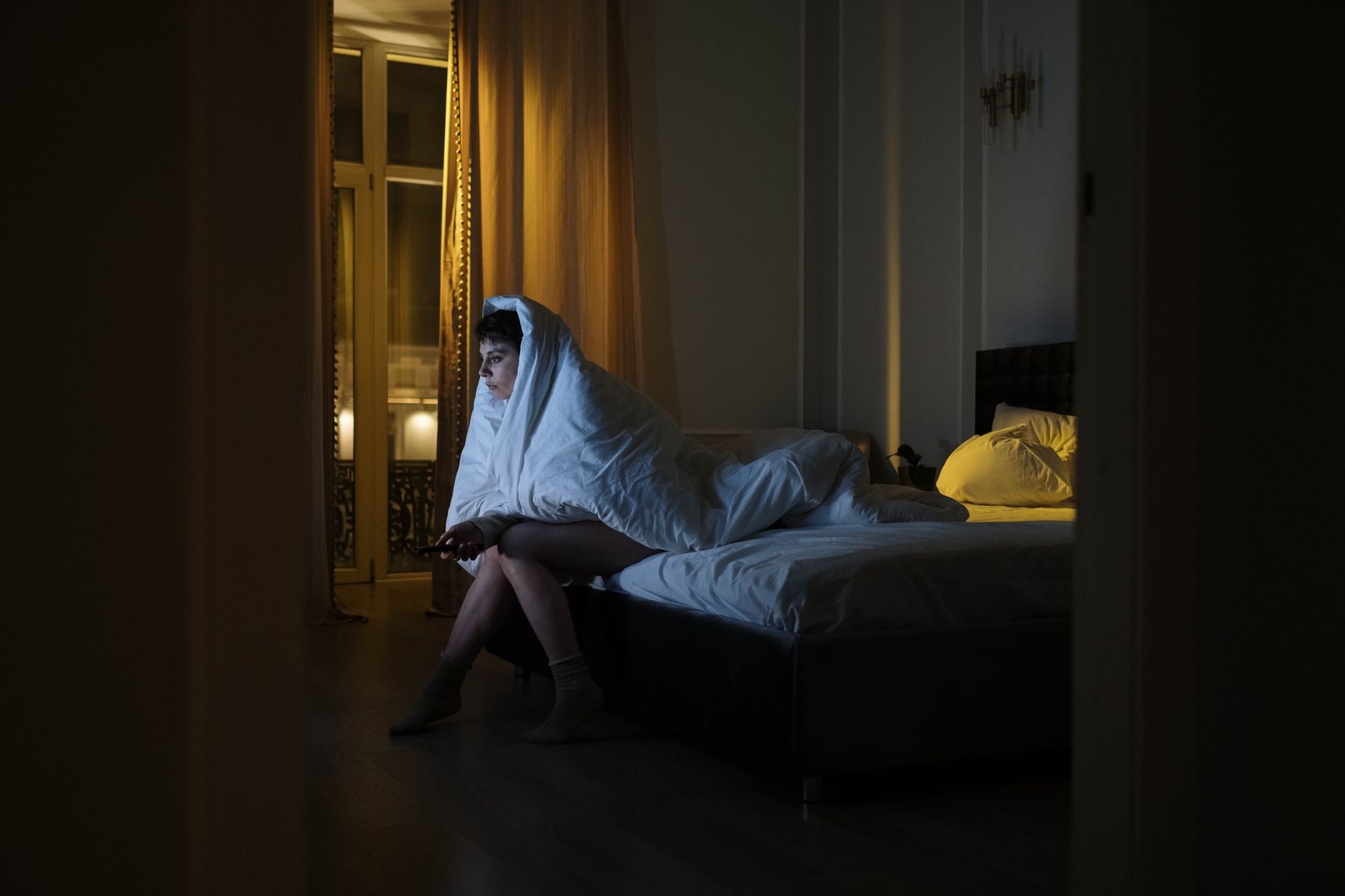
Sleep has become something of a modern luxury. Despite knowing how essential it is, millions of us lie awake at night, minds racing, bodies tired but restless, wondering why something so natural has become so difficult.
If you’ve been struggling to get the rest you need, you’re far from alone. And more importantly, there are real, science-backed reasons why this is happening — and genuine solutions that can help.
The Sleep Crisis by the Numbers
The statistics paint a stark picture of just how widespread sleep problems have become.
According to the American Academy of Sleep Medicine’s 2025 survey, over 75% of adults report that they always, often, or sometimes have difficulty falling asleep or staying asleep. Women are particularly affected at 80%, compared to 76% of men.
The mental health connection is undeniable. A 2024 AASM survey found that nearly three-quarters of Americans (74%) report experiencing disrupted sleep due to stress, while over two-thirds (68%) lose sleep because of anxiety. Depression affects sleep for 55% of respondents.
Globally, the numbers are equally concerning. A 2025 systematic review published in Sleep Medicine Reviews found that 852.3 million adults worldwide now meet the criteria for insomnia disorder. In the US alone, 50–70 million adults suffer from an active sleep disorder, with up to two-thirds experiencing insomnia symptoms at some point.
The consequences extend far beyond feeling tired. Chronic sleep deprivation has been linked to cognitive decline, mental health disorders, weakened immunity, and even reduced life expectancy.
So what’s actually causing this epidemic of sleeplessness?
The Modern Factors Stealing Your Sleep
1. Stress and Anxiety
This is the number one culprit. Our nervous systems weren’t designed for the constant low-grade stress of modern life — the news cycle, financial pressures, work demands, and the general uncertainty of our times.
When you’re stressed, your body produces cortisol, the “fight or flight” hormone. Elevated cortisol levels at night make it nearly impossible for your brain to transition into the relaxed state needed for sleep. Your body thinks it needs to stay alert for danger, even when the danger is just tomorrow’s meeting.
The American Psychological Association’s Stress in America 2025 report found that around 75% of US adults experience stress, with 83% of workers reporting work-related stress. Financial worries are particularly disruptive — 87% of Americans reported sleep loss over money concerns, including one in five who said it happens frequently.
Over 40% of respondents in a 2025 US News survey said stress or anxiety was their biggest hurdle to getting a good night’s sleep. More than one in three Americans (40%) now actively avoid politics-related news before bed in an effort to improve their sleep.
2. Screen Time and Blue Light
Our devices have fundamentally changed how we spend our evenings — and our bodies are paying the price.
In 2026, the average American adult spends approximately 7 hours per day looking at screens — more time than most people spend sleeping. Smartphone usage alone averages 4 hours and 49 minutes daily, with the average user checking their phone 96 times per day. Alarmingly, 65% of smartphone users keep their device on or near their bed.
The impact on sleep is measurable. A 2025 meta-analysis confirmed that screen time is linked to shorter sleep duration, longer time to fall asleep, and poorer sleep quality across all age groups. For teenagers, daily screen use before bedtime is linked to 50 minutes less sleep per week and a 33% higher prevalence of poor sleep quality.
But here’s something interesting: recent research suggests the issue might not be blue light alone. The stimulating nature of the content we consume — scrolling social media, watching intense shows, responding to work emails — contributes more to sleep disruption than the light itself. The average smartphone user checks their phone within 10 minutes of waking and within 10 minutes of going to sleep, bookending their day with screen stimulation that impairs both the transition into sleep and the quality of rest.
3. The Caffeine-Alcohol Cycle
Many of us have fallen into a familiar pattern: caffeine during the day to stay alert after poor sleep, then alcohol at night to wind down. It feels like it works, but research shows this cycle actually makes sleep worse over time.
According to a 2025 US News survey, over 60% of Americans have one to two caffeinated drinks a day, while 23% rely on three to four. Research has found that caffeine reduces sleep quantity by about 10 minutes per cup consumed the previous day and increases the percentage of light (non-REM) sleep at the expense of deeper, restorative stages.
Alcohol, meanwhile, disrupts sleep quality — causing more nighttime awakenings and actively reducing REM sleep, the stage crucial for memory and emotional processing. As sleep psychologist Kevin Morgan explains, alcohol is quickly metabolised, leading to multiple nighttime awakenings from withdrawal — essentially the opposite effect of the initial sedation.
What makes this cycle particularly insidious is that people often don’t perceive the damage. Studies show that despite the negative effects of both substances, many people don’t notice a reduction in their sleep quality — creating a false sense that the cycle is working when it’s actually degrading their rest.
4. Irregular Schedules
Our bodies run on circadian rhythms — internal clocks that regulate when we feel awake and when we feel sleepy. These rhythms thrive on consistency.
Yet modern life increasingly demands flexibility. Shift work, irregular hours, weekend sleep-ins that throw off Monday mornings, and the “always on” culture of remote work all disrupt these natural patterns.
When your body doesn’t know when to expect sleep, it struggles to prepare for it.
5. The Worry Loop
For many people, bedtime becomes thinking time — the first quiet moment of the day when all the worries that were pushed aside come flooding back.
This creates a cruel irony: the more you worry about not sleeping, the harder it becomes to sleep. Anxiety about sleep becomes its own barrier to rest.
Evidence-Based Solutions That Actually Work
The good news is that sleep problems, while complex, are often responsive to the right interventions. Here’s what the research supports:
Prioritise Sleep Hygiene
Sleep hygiene refers to the habits and environment that support good sleep. The basics include keeping a consistent sleep schedule (even on weekends), ensuring your bedroom is dark, quiet, and cool, limiting caffeine to the morning hours, avoiding alcohol close to bedtime, and creating a wind-down routine that doesn’t involve screens.
These might sound simple, but research consistently shows that addressing sleep hygiene is often more effective than medication for long-term improvement.
Try Cognitive Behavioural Therapy for Insomnia (CBT-I)
CBT-I is considered the gold standard for treating chronic insomnia. It helps you identify and change thoughts and behaviours that interfere with sleep.
Research published in JAMA Internal Medicine found that mindfulness meditation, a component of many CBT-I programmes, significantly reduced insomnia, fatigue, and depression compared to sleep education alone.
Get Morning Light and Evening Darkness
Your circadian rhythm responds powerfully to light. Exposure to bright, natural light in the morning helps set your internal clock, while dimming lights in the evening signals to your body that sleep is approaching.
If you can’t get natural morning light, consider a light therapy lamp. In the evening, switch to warmer, dimmer lighting and reduce screen brightness.
Move Your Body — But Not Too Late
Regular exercise has been shown to improve sleep quality, but timing matters. Vigorous exercise close to bedtime can be stimulating. Aim to finish intense workouts at least three hours before bed.
Gentle movement like yoga or stretching in the evening, however, can actually support relaxation.
Consider Natural Supplements (With Caution)
Certain supplements have research supporting their use for sleep, though they work best as part of a broader approach:
- Magnesium helps calm the nervous system and has been shown to improve sleep quality, particularly in those who are deficient.
- Chamomile tea contains apigenin, a compound that binds to receptors in the brain that promote sleepiness and reduce anxiety.
- Lavender aromatherapy has been shown in studies to reduce anxiety, lower heart rate, and improve overall sleep quality.
- Melatonin can be helpful for resetting circadian rhythms, particularly for jet lag or shift work, though it’s best used short-term.
Sound Therapy: Using Frequencies to Support Sleep
Beyond lifestyle changes and supplements, there’s growing interest in using specific sound frequencies to support better sleep. This approach is grounded in the science of brainwave entrainment — the brain’s tendency to synchronise with external rhythms.
How Brainwaves Relate to Sleep
When you’re awake and alert, your brain produces faster beta waves (13–30 Hz). As you relax, it shifts to slower alpha waves (8–12 Hz). During light sleep and deep meditation, theta waves (4–8 Hz) dominate. And during the deepest, most restorative stages of sleep, your brain produces delta waves (0.5–4 Hz).
The principle behind sound therapy for sleep is simple: by listening to sounds that pulse at slower frequencies, you can encourage your brain to downshift from alertness into relaxation and eventually into sleep.
Binaural Beats for Sleep
Research supports the use of binaural beats — where slightly different frequencies are played in each ear — for promoting relaxation and sleep. Studies have found that binaural beats in the delta range (0.5–4 Hz) can help induce the brainwave patterns associated with deep sleep.
One study of young athletes found that listening to binaural beats in the 2–8 Hz range improved their sleep quality.
Solfeggio Frequencies for Rest and Relaxation
The Solfeggio frequencies offer another approach to sound-based sleep support. These ancient tones, each associated with different healing properties, can help create the conditions your body needs for rest.
174 Hz — The Foundation Frequency The lowest of the Solfeggio scale, 174 Hz is associated with relieving physical tension and promoting deep relaxation. It’s particularly helpful if you carry stress in your body and find it hard to physically let go at night.
396 Hz — Releasing Fear and Worry If racing thoughts and anxiety keep you awake, 396 Hz may help. This frequency is associated with liberating fear and guilt — the kinds of emotions that often surface when your head hits the pillow.
432 Hz — Natural Calm Though not technically part of the original Solfeggio scale, 432 Hz is widely used for sleep support. A study from Italy found that music tuned to 432 Hz slowed heart rate compared to standard 440 Hz tuning, promoting a calmer physiological state.
528 Hz — The Stress Reducer Research from Japan demonstrated that just five minutes of listening to 528 Hz music significantly lowered cortisol (the stress hormone) while increasing oxytocin (associated with relaxation and calm). Given that stress is the leading cause of sleep problems, this frequency deserves attention.
963 Hz — Deep Rest Associated with activating the pineal gland and promoting deep states of consciousness, 963 Hz can support the transition into restorative delta-wave sleep.
How to Use Sound Frequencies for Sleep
For best results with frequency-based sleep support, keep the volume low and comfortable as these frequencies work effectively at gentle levels. Consider starting your wind-down routine with calming frequencies about 30–60 minutes before bed. You can play them throughout the night if you find continuous sound helpful. Headphones enhance binaural beats but aren’t necessary for Solfeggio frequencies. Finally, experiment with different frequencies to find what resonates best with your body.
Creating Your Personal Sleep Protocol
Rather than trying everything at once, consider building a sustainable approach:
- Start with the basics. Consistent sleep and wake times, a dark and cool bedroom, and limiting caffeine and alcohol will create the foundation for better sleep.
- Add a wind-down ritual. About an hour before bed, dim the lights, put away screens, and engage in calming activities. This could include a warm bath, gentle stretching, journaling, or reading.
- Incorporate sound healing. As part of your wind-down or throughout the night, try playing Solfeggio frequencies or binaural beats designed for sleep. Notice which frequencies help you feel most relaxed.
- Address the mental component. If racing thoughts are your main barrier, consider meditation, breathwork, or working with a therapist trained in CBT-I.
- Be patient. Sleep patterns take time to change. Give any new approach at least two to three weeks of consistent practice before evaluating its effectiveness.
When to Seek Help
While these approaches can significantly improve sleep for many people, persistent insomnia, excessive snoring, or daytime drowsiness despite adequate time in bed may indicate an underlying condition like sleep apnoea that requires professional evaluation.
If you’ve tried improving your sleep hygiene and incorporated relaxation techniques without success, it’s worth speaking with a healthcare provider who can help identify any underlying issues.
Final Thoughts
The sleep crisis is real, but it’s not inevitable. Understanding why modern life makes rest so difficult is the first step toward reclaiming it.
Whether you start with simple changes to your evening routine, explore the calming effects of Solfeggio frequencies, or work with a professional on deeper issues, better sleep is possible.
Your body knows how to sleep. Sometimes it just needs a little help remembering.
Looking for Solfeggio frequency music to support your sleep? Explore our collection of 174 Hz, 396 Hz, 432 Hz, 528 Hz, and 963 Hz tracks designed specifically for deep rest and relaxation.
This article is for informational purposes only and does not constitute medical advice. If you are experiencing chronic sleep problems, please consult with a qualified healthcare provider.
 Solfeggio Sound Healing
Leave a comment