Anxiety and PTSD affect millions of people worldwide, and while conventional treatments remain essential, many are turning to sound-based therapies as a complementary approach to finding calm. But do these frequencies actually work? Let’s look at what the science says about Solfeggio frequencies, binaural beats, and isochronic tones — and which ones show the most promise for anxiety relief and trauma recovery.
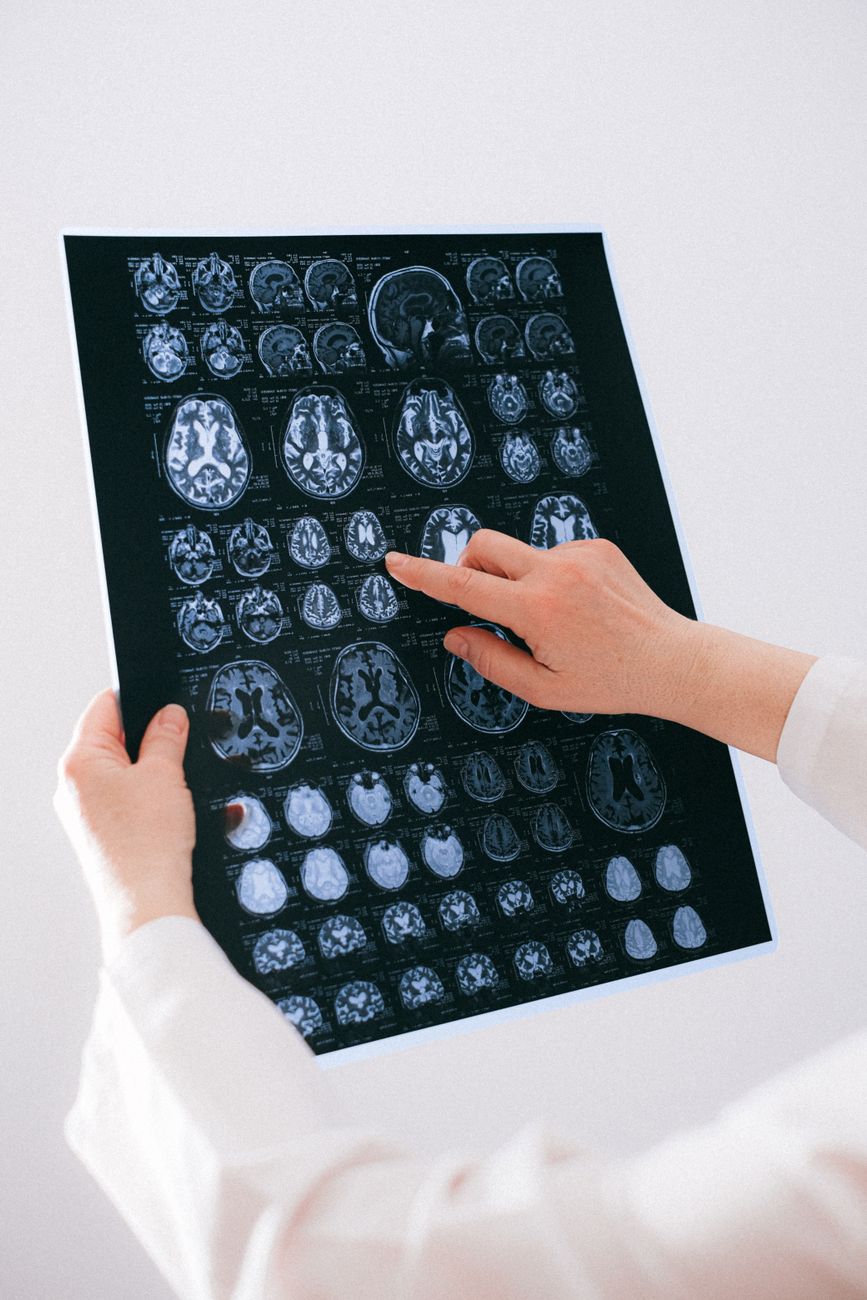
Understanding How Sound Affects the Brain
Before diving into specific frequencies, it helps to understand the basic principle behind sound healing: brainwave entrainment.
Your brain naturally produces electrical activity at different frequencies depending on your state of mind. When you’re stressed or anxious, your brain tends to fire rapid beta waves (13–30 Hz). When you’re relaxed, it shifts to slower alpha waves (8–12 Hz). During deep meditation or light sleep, you enter theta (4–8 Hz), and during deep sleep, delta waves dominate (below 4 Hz).
The theory behind sound healing is that external auditory stimulation can encourage your brain to synchronise with — or “entrain” to — specific frequencies, effectively guiding you from an anxious state into a calmer one.
Research published in scientific literature suggests this effect is real. A systematic review examining binaural beats and isochronic tones found that these forms of audio stimulation can temporarily influence brainwave patterns and affect mood states.
Binaural Beats: The Most Researched Option
Of all the sound healing modalities, binaural beats have the most scientific backing for anxiety reduction.
What Are Binaural Beats?
Binaural beats occur when you hear two slightly different frequencies in each ear through headphones. For example, if one ear receives 200 Hz and the other receives 206 Hz, your brain perceives a “phantom” beat at 6 Hz — in the theta range associated with relaxation.
What the Research Shows
A meta-analysis examining 22 studies found that binaural beat exposure produced a medium, statistically significant effect on reducing anxiety, with longer listening sessions showing greater benefits.
One notable study measured anxiety levels in patients before surgery. Those who listened to binaural beats experienced a 26% reduction in anxiety compared to just 11% for those listening to standard music and only 4% for those with no audio intervention.
More recent research from 2024 and 2025 continues to support these findings. A meta-analysis of 15 randomised controlled trials found that binaural beats significantly reduced perioperative anxiety when compared to control conditions, while also lowering heart rate and blood pressure.
Binaural Beats and PTSD
Research specifically examining PTSD is still emerging, but early findings are encouraging. A study funded by Walter Reed National Military Medical Center looked at treating veterans with PTSD using binaural beat technology and reported statistically significant positive outcomes across all four factors measured.
Additionally, researchers in Korea studied a mobile app combining neurofeedback-based meditation with binaural beat music for people experiencing traumatic stress symptoms. They found the intervention showed promise for helping individuals manage PTSD symptoms in a safe, accessible way.
Best Frequencies for Anxiety
Research suggests that binaural beats in the delta (below 4 Hz) and theta (4–8 Hz) ranges are most effective for reducing anxiety and promoting relaxation. These slower frequencies encourage the brain to shift away from the heightened alertness of anxiety and into calmer states.
Isochronic Tones: A Headphone-Free Alternative
Isochronic tones work differently from binaural beats. Instead of requiring two different frequencies in each ear, they use a single tone that pulses on and off at regular intervals — creating a rhythmic beat that your brain can follow.
What the Research Shows
While less studied than binaural beats, isochronic tones have shown promising results. A study at Saybrook University found that isochronic tones at 7.83 Hz (the Schumann Resonance frequency) had a positive influence on anxiety and mood in participants.
A literature review examining both binaural beats and isochronic tones concluded that brief exposure to isochronic tones at 6, 10, and 40 Hz reduced anxiety and increased well-being in participants. The review noted that these techniques show potential as a non-invasive approach for anxiety disorders.
A 2023 clinical trial tested acoustic neurostimulation using binaural beats, isochronic tones, and a combination of both at 10 Hz (alpha range) over 21 days. All three approaches showed marked improvements in stress, depression, and anxiety symptoms, as well as better sleep quality.
The practical advantage of isochronic tones is that they don’t require headphones, making them more accessible for some listeners.
Solfeggio Frequencies: Ancient Tones with Emerging Science
Solfeggio frequencies are specific tones believed to have been used in ancient sacred music. While the scientific research on these specific frequencies is more limited than that on binaural beats, some studies are beginning to explore their effects.
528 Hz — The “Love Frequency”
Of all the Solfeggio frequencies, 528 Hz has received the most scientific attention for anxiety and stress reduction.
A 2018 study conducted by researchers in Japan compared the effects of music tuned to 528 Hz against the same music tuned to standard 440 Hz. After just five minutes of listening, participants in the 528 Hz group showed measurably lower cortisol levels (the body’s primary stress hormone) and higher oxytocin levels (associated with bonding and relaxation). Their self-reported tension and anxiety also decreased.
A separate study measuring state anxiety found significant reductions in anxiety scores among participants who listened to 528 Hz compared to a control group — with effects appearing in as little as three minutes.
It’s important to note that these studies had small sample sizes, and researchers acknowledge that larger, controlled studies are needed to confirm these findings. However, the early evidence suggests 528 Hz may have measurable physiological effects on stress response.
396 Hz — The “Liberation Frequency”
The 396 Hz frequency is traditionally associated with releasing fear and guilt. While there’s less direct clinical research on this specific frequency, sound therapy studies suggest that low-frequency, stable tones can help calm the nervous system and reduce emotional reactivity.
Many practitioners report that 396 Hz helps listeners feel more grounded when anxiety or worry takes over — particularly when fear-based thinking is a significant component of their anxiety.
417 Hz — For Clearing Negative Patterns
Associated with facilitating change and clearing negative thought patterns, 417 Hz is often recommended for those whose anxiety stems from repetitive, stuck thinking or difficulty letting go of past experiences
The Broader Evidence
A literature review on Solfeggio frequencies and well-being noted that while specific frequency research is still developing, frequencies between 40 Hz and 180 Hz have been utilised therapeutically, with 174 Hz specifically noted for pain and stress relief. The review called for more rigorous scientific investigation into these frequencies.
Practical Guide: Which Frequencies to Try for Anxiety and PTSD
Based on the available research, here are evidence-informed recommendations:
For General Anxiety Relief
- Binaural beats in the theta range (4–8 Hz) have the strongest research support. Studies show theta-frequency stimulation can reduce anxiety symptoms after brief exposure, with sessions of 10–30 minutes showing the most consistent benefits.
- 528 Hz Solfeggio frequency has demonstrated stress-reducing effects in controlled studies, including lowered cortisol and reduced anxiety scores.
- Isochronic tones at 6–10 Hz (theta to low alpha) have shown positive effects on anxiety and well-being in preliminary research.
For PTSD Symptoms
Theta-range binaural beats may support emotional processing and help regulate the hypervigilant state common in PTSD. Research on neurofeedback combined with binaural beats for PTSD has shown promising early results.
396 Hz is traditionally associated with releasing fear and may complement trauma-focused work by promoting a sense of safety and grounding.
Delta-range frequencies (below 4 Hz) can support deep rest and may help with the sleep disturbances often associated with PTSD.
For Best Results
Research suggests several practices enhance effectiveness:
- Listen for at least 10–15 minutes. Studies indicate longer exposure produces stronger effects, though benefits can appear in as little as three to five minutes. Consistency matters. A 21-day study showed cumulative benefits from daily listening sessions.
- Use headphones for binaural beats. The effect requires different frequencies in each ear. Isochronic tones and Solfeggio frequencies work without headphones.
- Keep the volume comfortable. These frequencies work at moderate or low volumes — there’s no need to play them loudly.
- Combine with other practices. Sound healing tends to work best alongside meditation, breathwork, or other relaxation techniques.
Important Considerations
While the research on sound healing is encouraging, it’s essential to maintain realistic expectations:
These are complementary tools, not replacements for treatment. If you’re experiencing significant anxiety or PTSD symptoms, please work with a qualified healthcare professional. Sound healing can be a valuable addition to your wellness toolkit, but it shouldn’t replace evidence-based treatments like therapy or medication when these are indicated.
Individual responses vary. Some people respond strongly to certain frequencies while others notice more subtle effects. Experimenting with different tones can help you discover what works best for your nervous system.
The research is still developing. While early studies show promise, many have small sample sizes. The scientific community continues to call for larger, more rigorous trials to confirm these effects and establish optimal protocols.
Safety note: Do not listen to these frequencies while driving or operating machinery, as they can induce deeply relaxed states.
The Bottom Line
Sound healing for anxiety and PTSD isn’t just wishful thinking — there’s a growing body of research suggesting that specific frequencies can genuinely influence brain activity, stress hormones, and emotional states.
Binaural beats in the theta and delta ranges have the most robust evidence for anxiety reduction, with multiple meta-analyses confirming their effectiveness. The 528 Hz Solfeggio frequency has shown promising results in early studies for lowering cortisol and reducing anxiety. And isochronic tones offer a headphone-free alternative with preliminary research supporting their calming effects.
Whether you’re dealing with everyday stress, chronic anxiety, or the aftermath of trauma, incorporating these frequencies into your daily routine offers a gentle, non-invasive way to support your nervous system’s return to calm.
The best frequency is ultimately the one that helps you feel more at ease. Start exploring, notice how your body responds, and let sound become part of your healing
This article is for informational purposes only and does not constitute medical advice. If you are experiencing symptoms of anxiety or PTSD, please consult with a qualified healthcare provider.
 Solfeggio Sound Healing
Leave a comment