If you have ever noticed your dog settling down when you play calming music, or your cat curling up closer when a healing frequency session is on, you are not imagining things. Animals are extraordinarily sensitive to sound — often far more sensitive than humans. Their hearing ranges extend well beyond ours, and their nervous systems respond to vibration in ways that are instinctive and immediate.
So the question is not really whether animals respond to sound — they clearly do. The question is whether healing frequencies can benefit them the way they benefit us. The answer, according to a growing body of research and the experience of countless pet owners, is a resounding yes.
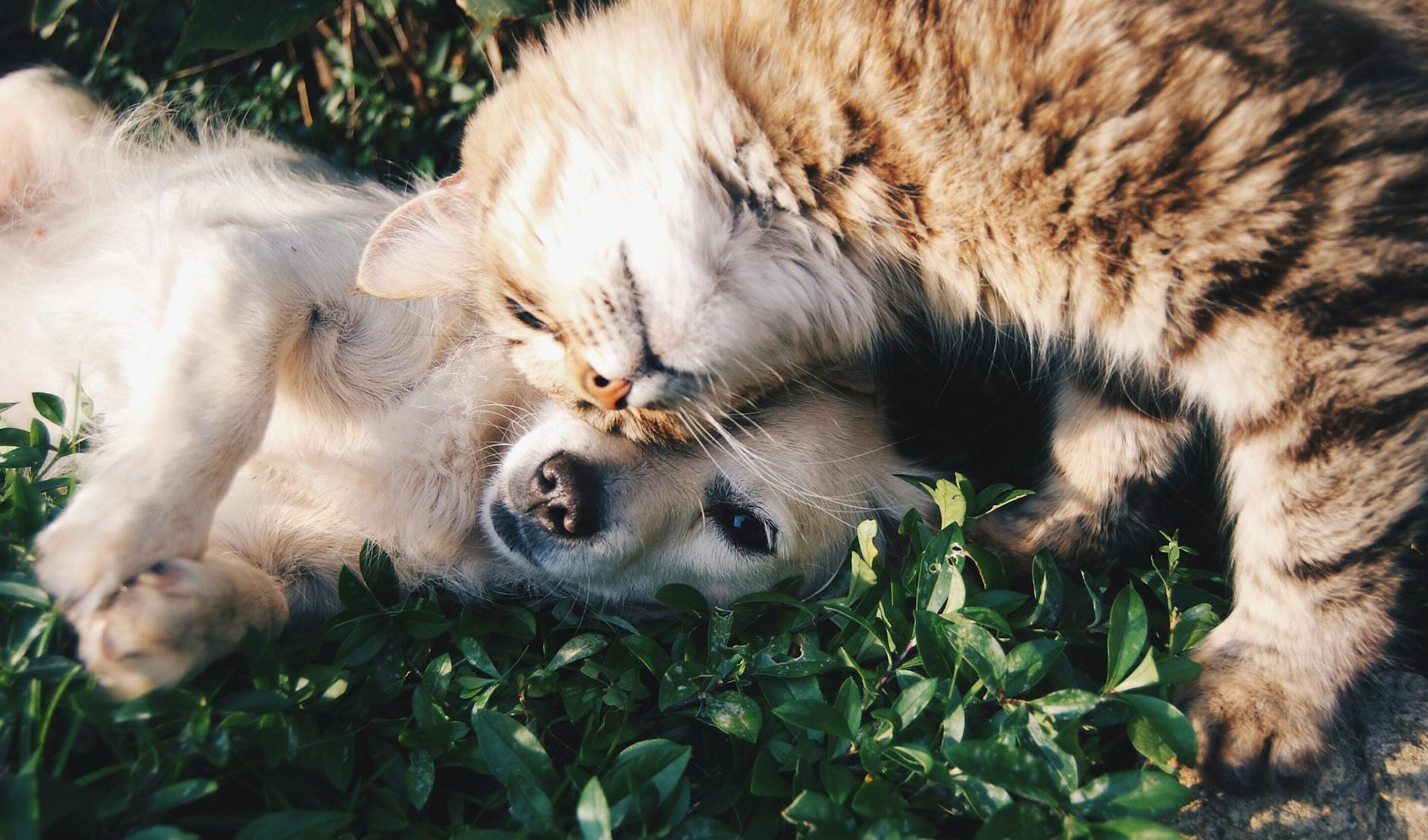
How Animals Experience Sound
Animals perceive the world through sound in ways that are fundamentally different from humans. Dogs can hear frequencies up to 65,000 Hz — more than three times the upper limit of human hearing. Cats can hear up to 64,000 Hz. Even horses and rabbits hear well beyond the human range. This means that animals are receiving far more sonic information from their environment than we are at any given moment.
But it is not just about range. Animals are also more sensitive to vibration. Many animals can feel sound through their entire body — through their paws, their skin, their bones. When a healing frequency plays, your pet is not just hearing it — they are absorbing it physically in a way that is even more direct than your own experience.
What Research Tells Us
Studies on animals and sound have produced some fascinating findings. Research conducted in animal shelters found that dogs exposed to classical music showed significantly reduced signs of stress — less barking, more resting, and lower cortisol levels. Conversely, heavy metal and loud chaotic music increased agitation and stress behaviours.
A study published in the Journal of Veterinary Behavior found that cats in veterinary clinics showed reduced stress responses when exposed to species-specific calming music. Researchers have also found that cows produce more milk when listening to slow, calm music — suggesting that the calming effect of sound on the nervous system extends across species.
While specific research on Solfeggio frequencies and animals is still limited, the broader evidence is clear: animals respond profoundly to the tonal quality, tempo, and frequency of the sounds around them. If calming music reduces animal stress, it is reasonable to expect that healing frequencies designed to promote relaxation would have similar or even enhanced effects.
How Pet Owners Describe the Effects
Thousands of people play healing frequency music around their pets, and the reports are remarkably consistent. The most commonly observed responses include:
- Dogs lying down and falling asleep within minutes of a session starting
- Anxious dogs becoming visibly calmer — less pacing, less panting, less whining
- Cats seeking out the source of the sound and settling nearby
- Birds becoming quieter and more settled
- Pets with separation anxiety showing fewer distress behaviours when frequency music is left playing
- Older animals with pain or mobility issues appearing more comfortable and relaxed
Which Frequencies Work Best for Pets?
Animals generally respond best to lower, slower frequencies. Here are the most effective options:
174 Hz — Physical Comfort
The lowest Solfeggio frequency creates a deep sense of physical safety and comfort. This is especially helpful for pets dealing with pain, illness, or recovery from surgery. The gentle, grounding tone can help an anxious or unwell animal settle into rest.
285 Hz — Healing and Recovery
This frequency supports tissue repair and cellular regeneration. Playing it during your pet’s recovery periods — after vet visits, surgeries, or injuries — may support their natural healing process.
396 Hz — Calming Fear and Anxiety
Many pets struggle with fear — thunderstorms, fireworks, strangers, car journeys, vet visits. The 396 Hz frequency is designed to release fear at its root. Playing this during or before stressful events can help your pet feel safer and more secure.
432 Hz — Universal Calm
The natural tuning frequency produces a warm, organic sound that many animals respond to instinctively. It is a great all-purpose choice for creating a peaceful environment in your home for both you and your pets.
How to Use Sound Healing With Your Pet
Using frequency music with animals is simple, but there are a few things to keep in mind:
- Keep the volume low — animals have sensitive hearing, so play the music at a soft, background level
- Use speakers rather than headphones — let the sound fill the room naturally so your pet can choose how close to be
- Observe your pet’s response — if they settle down and relax, the frequency is working. If they seem agitated or leave the room, try a different frequency or lower the volume
- Start with short sessions — 15 to 20 minutes — and gradually increase if your pet responds well
- Play during stressful times — before thunderstorms, fireworks, vet visits, or when you leave the house
- Let your pet come and go freely — never force an animal to stay near the sound source
A Note of Care
While sound healing is generally safe for animals, every pet is different. Some animals may be more sensitive to certain frequencies than others. Always observe your pet’s behaviour and stop the session if they show signs of discomfort. Sound healing should complement veterinary care, not replace it. If your pet is unwell, always consult your vet first.
Healing Together
One of the most beautiful things about sound healing is that you do not have to do it alone. When you press play on a healing frequency session, your pet can share that experience with you. You heal together — two nervous systems settling into the same vibration, two bodies finding calm in the same sound. It is a form of connection that needs no words, no training, and no effort. Just sound, shared in stillness.
 Solfeggio Sound Healing
Leave a comment