As more adults discover the benefits of sound healing, a natural question arises: can children benefit too? The short answer is yes — and in many ways, children may respond to healing frequencies even more readily than adults. Their nervous systems are more open, their brainwave patterns are naturally closer to the meditative states that adults work hard to achieve, and they have not yet built up the layers of stress and tension that can block healing in grown-ups.
But working with children and sound requires a thoughtful approach. In this post, we explore why sound healing works so well for young people, which frequencies are most appropriate, and how to introduce it safely and gently.
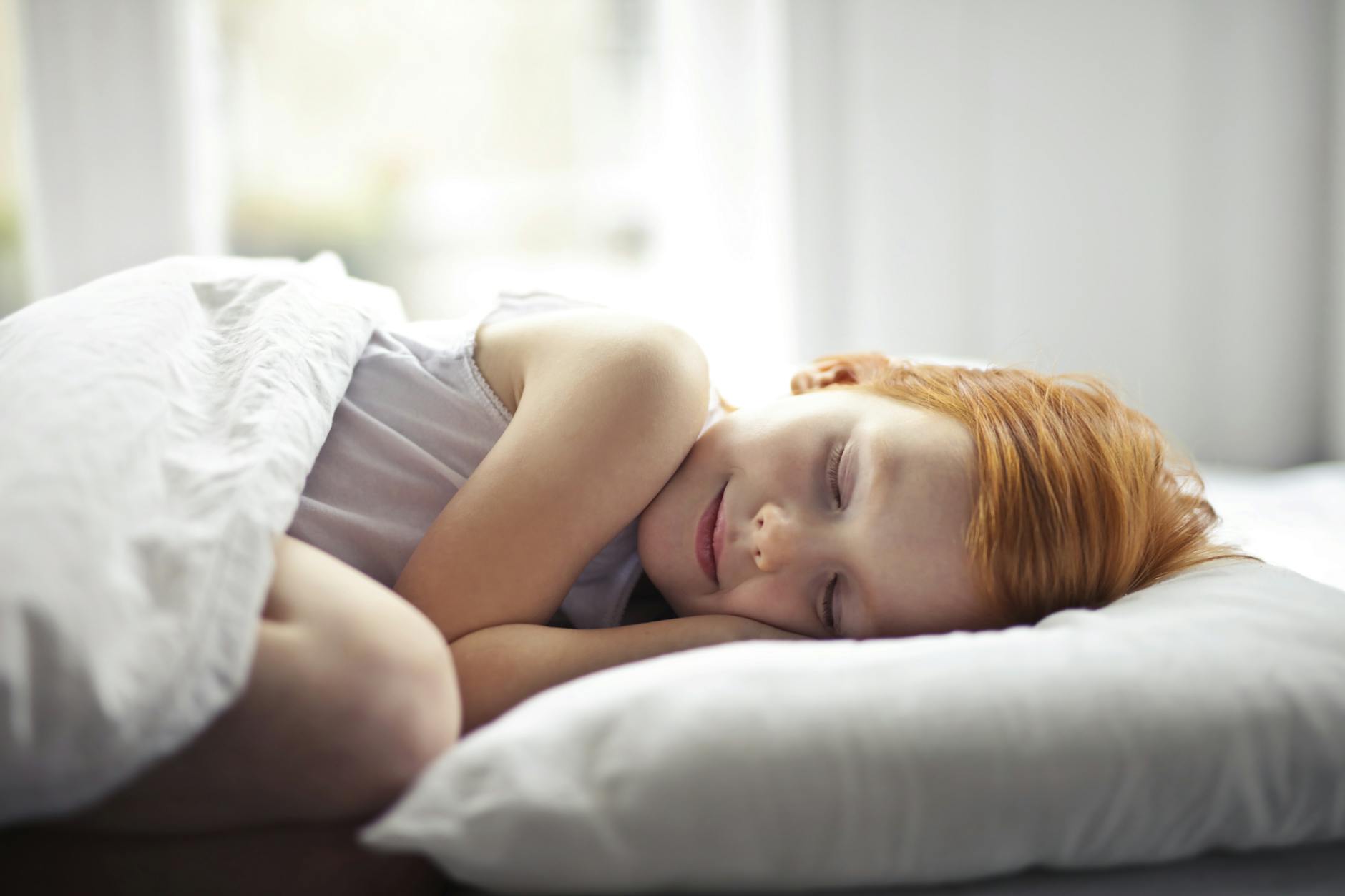
Why Children Respond So Well to Sound
Children’s brains operate differently from adult brains. Up to approximately age six, children spend most of their time in theta brainwave states — the same states that adults enter during deep meditation or hypnosis. This means that children are naturally in a receptive, absorptive mode for much of their early life. Sound frequencies can reach them easily and deeply because there are fewer mental barriers in the way.
Children are also more physically sensitive to vibration. Their bodies are smaller, their tissues are more hydrated, and their nervous systems are still developing — all of which makes them more responsive to the subtle effects of healing frequencies. What might take an adult 20 minutes to feel, a child might experience in just a few minutes.
How Sound Healing Can Help Children
Parents and practitioners have reported a wide range of benefits when using healing frequencies with children:
- Better sleep — calming frequencies help children transition from the excitement of the day into restful sleep more easily
- Reduced anxiety — children who struggle with worry, separation anxiety, or nervousness often respond well to grounding frequencies like 396 Hz
- Improved focus — alpha-range frequencies can help children with attention difficulties find a calmer, more centred state
- Emotional regulation — sound provides a gentle way for children to process big emotions without needing to articulate them verbally
- Comfort during illness — low frequencies like 174 Hz can provide a soothing backdrop during times of physical discomfort
- Calmer transitions — playing frequency music during homework time, bath time, or bedtime routines can ease transitions that children often resist
Which Frequencies Are Best for Children?
Not all frequencies are equally suitable for children. Lower, gentler frequencies tend to work best:
174 Hz — Comfort and Safety
he gentlest Solfeggio frequency, ideal for creating a sense of physical safety and comfort. Perfect for bedtime, nap time, or when a child is feeling unwell.
396 Hz — Releasing Fear
Children experience fear intensely — fear of the dark, fear of being alone, fear of new situations. The 396 Hz frequency helps release fear at a deep level, making it excellent for anxious children or those going through transitions like starting school.
432 Hz — Natural Calm
The natural tuning frequency produces a warm, organic sound that children respond to instinctively. It creates a peaceful atmosphere without feeling clinical or strange. This is a wonderful all-purpose frequency for family environments.
528 Hz — Love and Warmth
The Love Frequency is gentle enough for children and promotes feelings of warmth, safety, and emotional connection. It can be especially helpful during times of family stress or change, providing a stabilising influence.
Safety Guidelines for Using Sound Healing with Children
Sound healing is generally very safe for children, but there are some important guidelines to follow:
- Keep the volume low — children’s hearing is more sensitive than adults. Play frequency music at a soft, background level
- Use speakers, not headphones — for young children, speakers are safer and more natural. Headphones should only be used by older children and for short periods
- Start with short sessions — 10 to 15 minutes is plenty for young children. You can gradually increase as they get used to it
- Let the child choose — if a child seems uncomfortable or wants to leave the room, respect that. Never force a child to listen
- Avoid very high frequencies — stick to lower, gentler tones. Frequencies above 741 Hz may feel too intense for young or sensitive children
- Observe their response — every child is different. Watch for signs of relaxation like slower breathing, stillness, or sleepiness
- Consult a healthcare professional — if your child has a hearing condition, seizure disorder, or other medical concern, speak with their doctor before introducing sound healing
How to Introduce Sound Healing to Your Child
The best way to introduce frequency music to a child is to make it natural and low-pressure. Here are some gentle approaches:
- Play it during daily routines — put frequency music on during bath time, story time, or while they play. Let it become a familiar background sound
- Listen together — children feel safer when a parent is participating. Lie down together and listen for a few minutes before bed
- Make it a bedtime ritual — play a calming frequency as part of the wind-down routine, alongside dimming lights and reading stories
- Let them be curious — if they ask about the music, explain simply that these are special sounds that help our bodies feel calm and peaceful
- Do not make it a chore — the moment sound healing feels like an obligation, it loses its power. Keep it light and optional
Natural Sounds: Nature’s Own Healing Frequencies
Sometimes the most powerful sound healing for children comes not from specific frequencies but from the sounds of nature itself. Natural sounds carry complex layers of frequency and rhythm that the human nervous system has evolved to find calming. For children who are not yet ready for pure frequency music, nature sounds can be a perfect starting point.
Some of the most effective natural sounds for children include:
- Rain — the steady patter of rainfall is one of nature’s most reliable calming sounds. It contains a broad spectrum of frequencies that gently mask distracting noises and create a cocoon of comfort
- Waterfall white noise — the continuous rush of a waterfall produces natural white noise that soothes the nervous system and promotes deep sleep. Many parents find this is the single most effective sound for helping babies and young children settle
- Ocean waves — the rhythmic rise and fall of waves mirrors the natural breathing pattern, gently guiding the body into a slower, calmer rhythm
- Birdsong — studies have shown that birdsong reduces stress and promotes feelings of safety. Our brains are wired to interpret birdsong as a signal that the environment is safe
- Thunder — while it might seem counterintuitive, distant low rumbling thunder provides deep low-frequency vibrations that many children find deeply comforting, similar to the 174 Hz Solfeggio frequency
- Wind through trees — the soft rustling of leaves creates a gentle, unpredictable texture of sound that calms without becoming monotonous
You can combine natural sounds with healing frequencies for a powerful effect. Many of our sessions blend frequency music with rain, ocean waves, or forest sounds — creating an immersive experience that feels both natural and deeply therapeutic. For children, this combination often works better than pure tones alone, because the nature sounds provide a familiar anchor that makes the healing frequencies feel less abstract.
A Gift for the Whole Family
One of the most beautiful aspects of sound healing for children is that it benefits the whole family. When you play calming frequencies at home, everyone in the space receives the vibrations — parents, children, even pets. It creates a shared atmosphere of peace and calm that strengthens bonds and reduces household stress.
In a world where children are increasingly overstimulated by screens, noise, and constant activity, offering them the gift of healing sound is a profound act of care. You are not just helping them relax — you are teaching them that stillness has value, that their bodies deserve gentleness, and that healing can be as simple as listening.
 Solfeggio Sound Healing
Leave a comment